Other Methods
Atropine
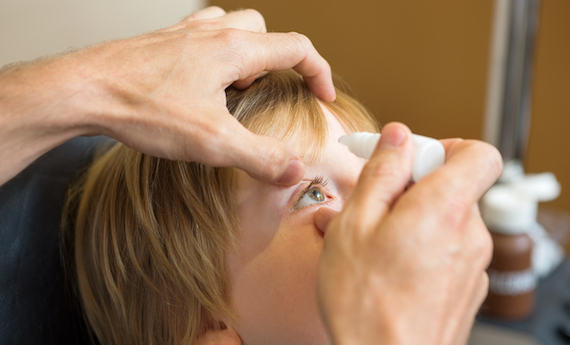
Atropine has enjoyed scientific support for myopia control, but a high side effect profile makes this method clinically unpopular with Smart Vision Optometry. Common side effects include a dry mouth, large pupils, urinary retention, constipation, and a fast heart rate. Long-term side effects are still unknown. The idea of giving children drugs, especially when there are other effective treatments available, goes against our beliefs. However, we recognise the somewhat clinical effectiveness of Atropine, and therefore, we may use Atropine in conjunction with a holistic, individualised, wellness treatment programme, for some patients.
Bifocal, multifocal and myopia control soft contact lenses
Research has been conducted with bifocal and multifocal contact lenses, and they are somewhat successful. Longer duration studies are required to see the volume of soft lens myopia control research match that of Ortho-K.